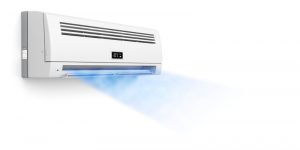
 If you’ve been looking around for a new air conditioner or heat pump installation for your home, you’ve probably run across the option for installing a ductless mini split heat pump. There are a number of excellent benefits to installing a ductless air conditioning/heating system. If you’re planning to build a new home or are renovating your current home, a ductless system is one of the best choices available because it removes the need to find room for ducts.
But you may have hesitated about using a ductless mini split because you aren’t sure if it can actually keep your home cool in summer and warm in winter. We understand why you might feel reluctant: going from years of using a conventional central heating and cooling system that uses ducts to a system that runs from smaller air handlers posted in different rooms sounds like it’s a risk. Can a ductless mini split really keep up with the weather extremes here in Illinois?
 The warm weather is moving in, and although we can’t rule out a few more surprises in our local weather, we’re almost at the point where heating systems in homes will shut down for the season.
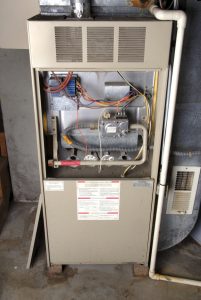 Concerns about the safety of natural gas furnaces are common. We often have customers ask us if it’s really safe to have a natural gas furnace in their home.
 The end of the heating season is often a rough one. March and April can throw some of the coldest days of the year at us, and you can expect to see higher utility bills until the spring thaw finally sets in for keeps. But you’re probably paying too much for your heating—there are many small mistakes or tasks you may forget that will raise energy use and your bills.
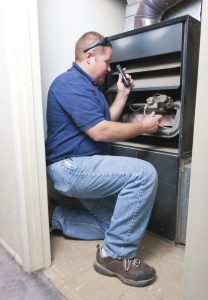 Your heating system is working just fine, for the most part. When you set the temperature on the thermostat, the furnace turns on and heat comes out of the vents. What more could you ask for? And why would you feel the need to schedule service for a furnace that is, for the most part, running smoothly?
 Sometimes, a noise coming from an appliance is a major pain, and it may even alert you to danger in the system. Other times, however, a noise is so faint that it causes little alarm and you feel content to go about your day. A water heater can occasionally make a knocking or popping noise that falls somewhere between these two extremes.
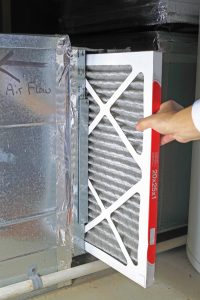 Most people associate a filter with one important thing: air quality. Filters keep dust from blowing around the home. More importantly to many people, it picks up allergens like pollen and pet dander, and may even stop the circulation of some germs that could make you ill.
 Think of the last time a technician visited your home to work on your heating and air conditioning equipment. If you’re like most people, you called a technician because something was wrong with your heating or cooling equipment, and you probably only do this every few years. Yet most technicians recommend servicing your equipment once or twice a year.