
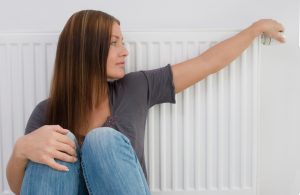
New homeowners or those who have never had to service their heating systems before may be a bit unclear on what type of heating system goes in their homes, or what their options are for a heating system replacement. Depending on who you speak to, a heating system may be called either a boiler or a furnace. But the fact is that these are two very different systems.
We want to make sure that you understand the differences between how these systems work and how they are set up in your home. By going over the very basics, you’re much better equipped to determine which system you have in your home, how you should keep up with maintenance, or which system is the best fit for a new home.
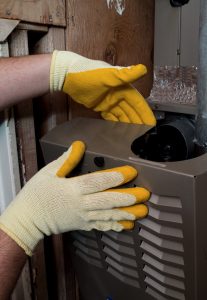 When you hear the furnace power on, do you know exactly what goes on to bring that heat to you? You likely know the basics: that heat is generated by an ignition system and that a fan then blows heated air into your home.
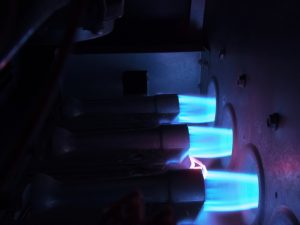 Heating, ventilation, and air conditioning systems are a modern innovation, so we rarely think of the safety risks sometimes associated with them. Today’s heating systems are safer than ever before, but there are still injuries and even deaths associated with them each year. Caring for your heating system, along with knowing the risks, can help you avoid them.
 The heater has just started up again, and you’ve got a problem. There seems to be a smell coming directly from the vents. This can be a scary situation. Of course, if you have any cause to believe it’s a gas leak, you should turn off the system ASAP. Otherwise, the urgency of the issue can range quite a bit.
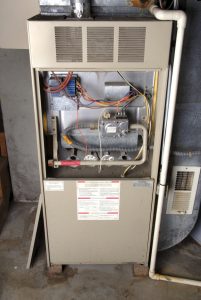 Although we love being heating technicians and installers, we understand that most people don’t really want to run into a situation where they have to call us. Your heating system won’t last forever, though, and you’ll have to call in technicians eventually. But we’re here to help see that an emergency heating repair or replacement call happens later, not sooner.
 When we recommend maintenance for an air conditioner or
  Saving money isn’t always easy when temperatures drop and you need your heating system to run almost all the time. Heating systems take up a large portion of our energy and fuel expenses, sometimes accounting for the highest amount of energy use when the weather is chilly. And you know that it’s not practical to simply shut your system off.
 You’ve got several options for your home when there is no air duct system to move heat and air around the house. For heating, many locals have an electric or radiant heating system to emit heat throughout the house such as a