
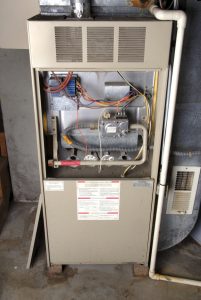
 Concerns about the safety of natural gas furnaces are common. We often have customers ask us if it’s really safe to have a natural gas furnace in their home.
The first thing we tell people is that gas furnaces are the most common type of heating system found across the U.S. If furnaces had any type of bad safety record, they wouldn’t be allowed so extensively into homes. The manufacturers of modern gas furnaces are required to design their systems with numerous safety features and to meet many national, state, and local requirements. When you see the ENERGY STAR label on a furnace, it not only means the furnace meets the standards for energy conservation, but it was also built to meet demanding safety standards.
 The end of the heating season is often a rough one. March and April can throw some of the coldest days of the year at us, and you can expect to see higher utility bills until the spring thaw finally sets in for keeps. But you’re probably paying too much for your heating—there are many small mistakes or tasks you may forget that will raise energy use and your bills.
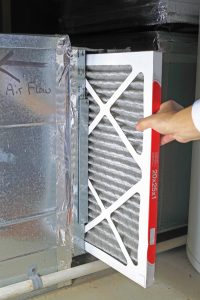 Most people associate a filter with one important thing: air quality. Filters keep dust from blowing around the home. More importantly to many people, it picks up allergens like pollen and pet dander, and may even stop the circulation of some germs that could make you ill.
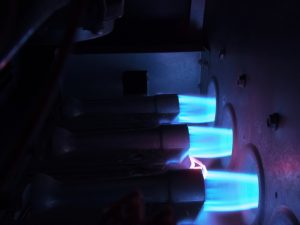 Heating, ventilation, and air conditioning systems are a modern innovation, so we rarely think of the safety risks sometimes associated with them. Today’s heating systems are safer than ever before, but there are still injuries and even deaths associated with them each year. Caring for your heating system, along with knowing the risks, can help you avoid them.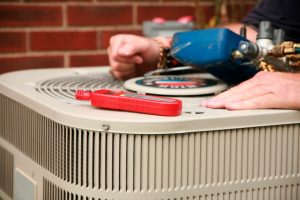
 You probably already know that your air conditioning system has a filter. And many people assume that the filter in their air conditioning system is doing an adequate job of filtering out allergens and other pollutants and keeping the air clean. But were you aware this is not the filter’s primary job?
 Saving money isn’t always easy when temperatures drop and you need your heating system to run almost all the time. Heating systems take up a large portion of our energy and fuel expenses, sometimes accounting for the highest amount of energy use when the weather is chilly. And you know that it’s not practical to simply shut your system off.